DEI · Università di Bologna
Robots that perceive, learn and manipulate.
LAR advances robotics through AI-based approaches and classic control theory, empowering industrial robot manipulators to operate skillfully in structured and unstructured environments.
About the lab
From deformable objects to human–robot collaboration
The Laboratory of Automation and Robotics (LAR) is a research laboratory based in Bologna, Italy, part of the Department of Electrical, Electronic, and Information Engineering “Guglielmo Marconi” (DEI) at the Alma Mater Studiorum – Università di Bologna.
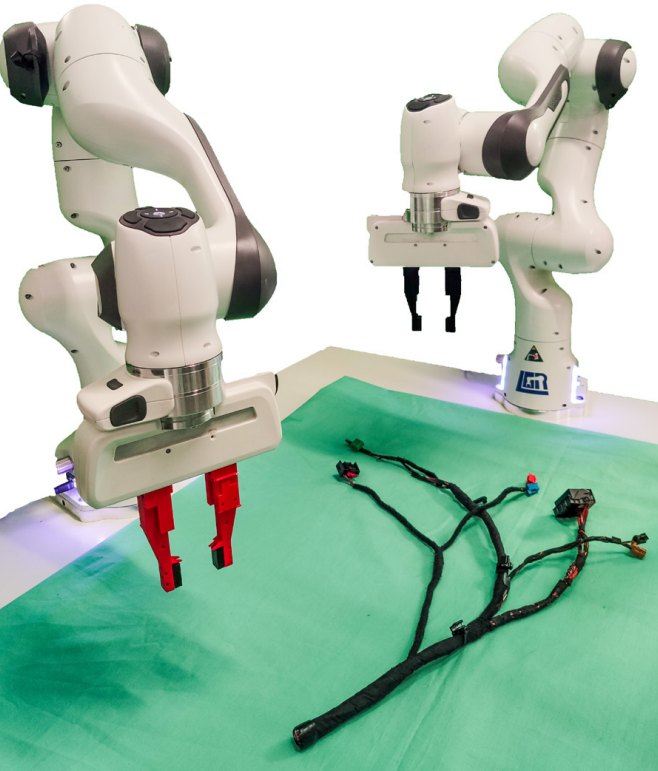
Our research follows two main directions. The first is the perception and manipulation of deformable objects, such as cables, wires and wiring harnesses, which robots still struggle to see and handle in industry. The second is shared autonomy and human–robot collaboration: sEMG interfaces, robotic hands and assistive devices that let people and robots work together naturally. Across both, we combine AI-based approaches with classic control theory, so that robot manipulators can operate skillfully in structured and unstructured environments.
-
Deformable objects
Perceiving and manipulating cables, wires and wiring harnesses with learning- and model-based methods.
-
Shared autonomy
Robots that share control with their users and assist them in collaborative tasks.
-
sEMG & robotic hands
Muscle-signal interfaces to control anthropomorphic robot hands and assistive devices.
-
AI & control
AI-based approaches combined with classic control theory.
Research
What we work on
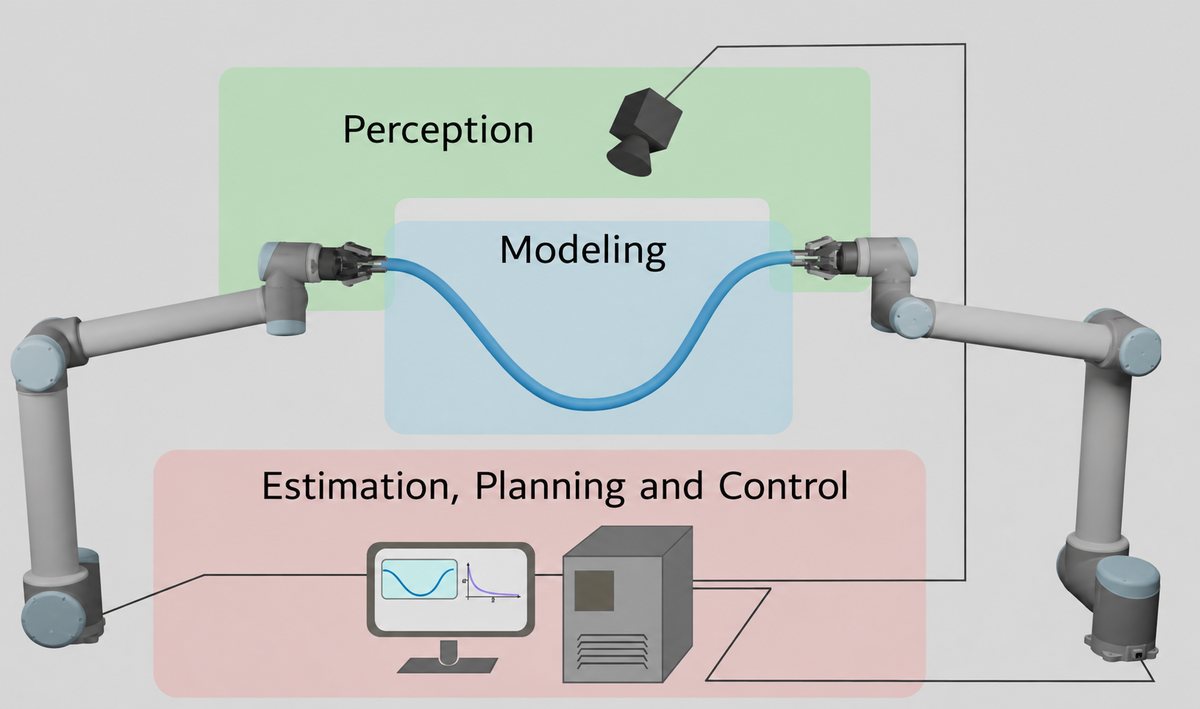
Deformable objects: perception and manipulation
Robots that see and handle cables, wires and wiring harnesses: deep-learning perception, automatic dataset generation, 3D shape estimation, and model- and learning-based manipulation.
Summary of Key Results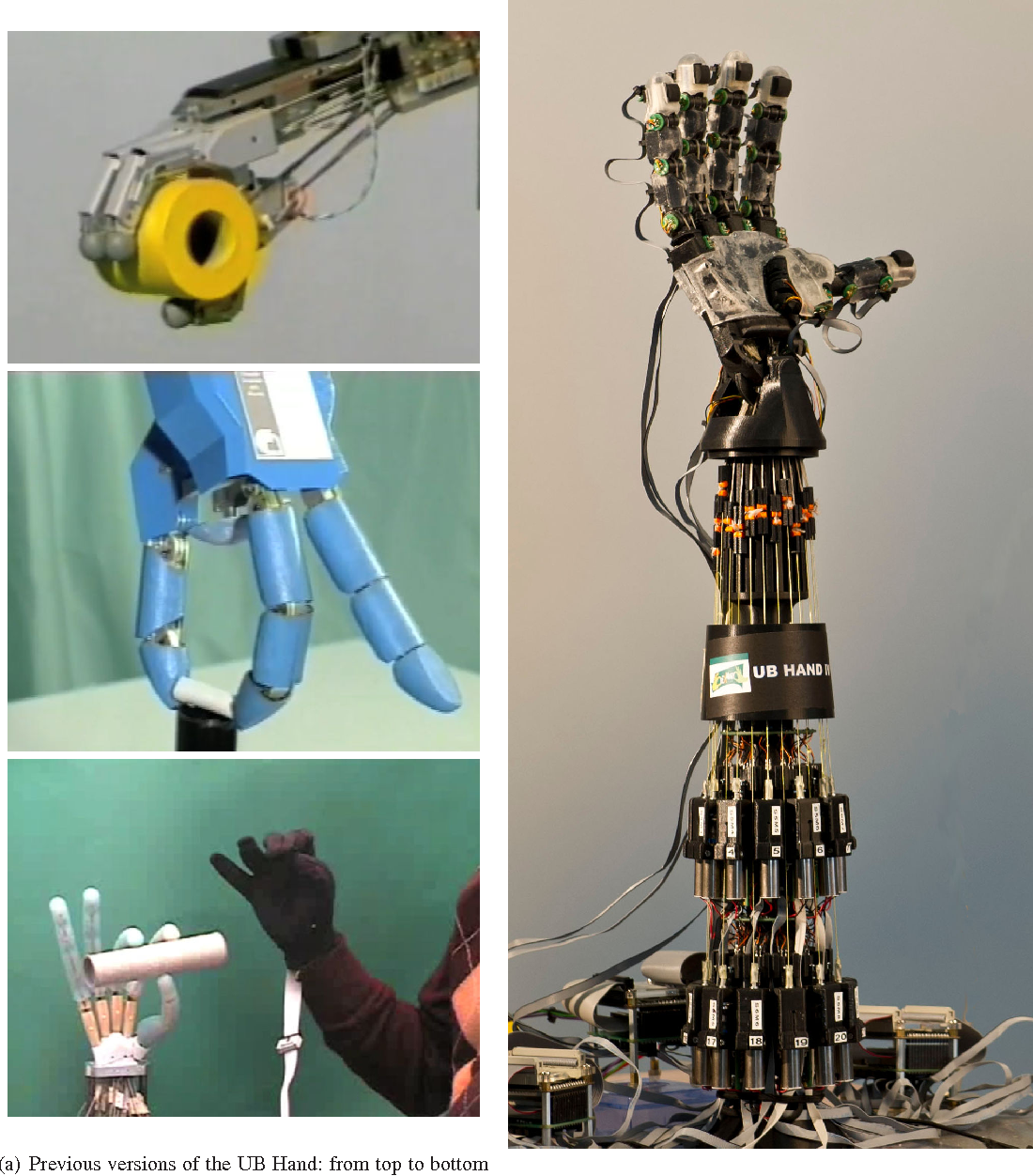
Shared autonomy, human–robot collaboration and robotic hands
Robots that work with people: sEMG interfaces for robotic hands and assistive devices, shared-autonomy grip regulation, and intuitive kinesthetic teaching.
Summary of Key ResultsAlso in the lab
Liquids in Open Containers
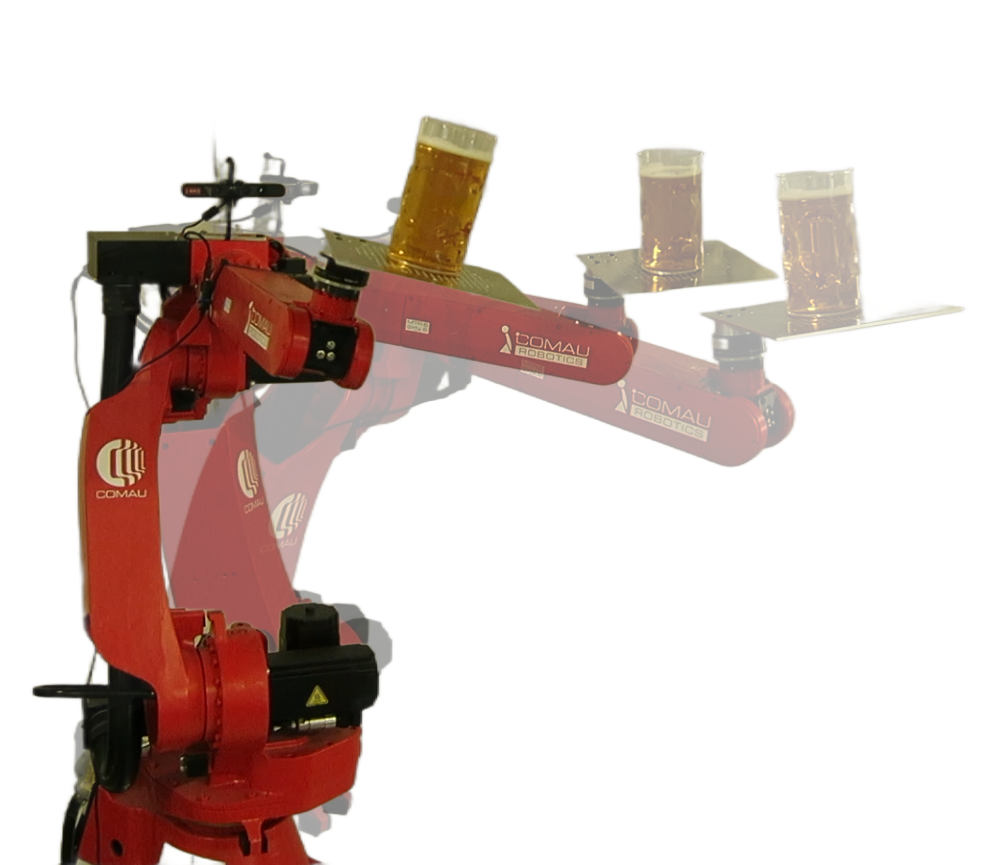
Moving liquid-filled containers fast without spilling: sloshing models, anti-sloshing trajectories and predictive control for transport on a robotic tray.
Learn more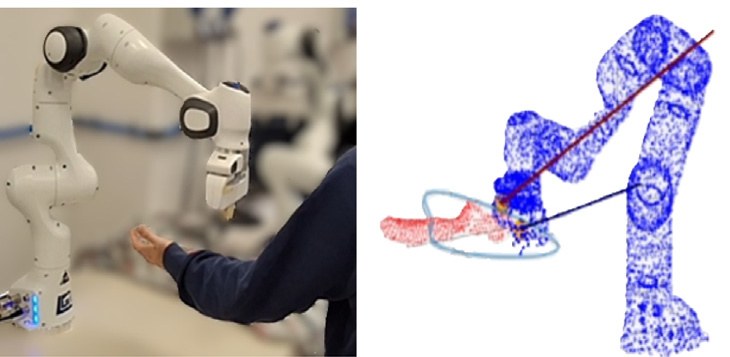
Collision Avoidance with Distance Fields
Real-time avoidance of obstacles and self-collisions, with GPU-evaluated signed distance fields inside task-priority control.
Learn more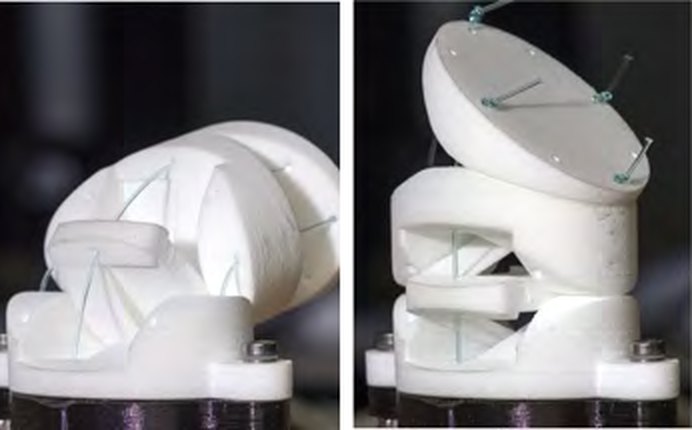
Mechatronic Design
Compliant prosthetic wrists, tendon-driven grippers, twisted-string actuators and tactile sensors, from virtual prototype to physical device.
Learn moreProjects
Past research projects



The team
Meet the people behind LAR
Group Photo – Christmas 2024